
Nutrition and Homeopathy

Hot weather, Histamine, and Autoimmunity:

What your body is actually telling you

If hot weather tends to make you feel worse rather than better – more fatigue, skin reactivity, joint aches, that particular fog that is hard to name, you are not imagining it. There is a physiological explanation, and it runs deeper than most people realise.

Heat, histamine, and autoimmunity are more connected than most people realise. And if you add perimenopause into the picture, the biology becomes even more specific.

Woman cooling herself with a towel on a hot summer day, illustrating heat intolerance, histamine response and autoimmune inflammation.

Heat is a Histamine trigger

Mast cells – the tissue-resident sentinels of your immune system, release histamine as part of the body’s normal response to heat. Histamine drives vasodilation: blood vessels widen, circulation increases, the skin flushes and warms. In a well-regulated system, this is useful and self-limiting.

In a sensitised immune system, particularly where autoimmunity or compromised gut barrier function is present, that same release can exceed the body’s clearance capacity. The enzyme responsible for breaking down extracellular histamine (diamine oxidase, or DAO) is temperature-sensitive and tends to work less efficiently in heat. Production rises as clearance slows.

The symptoms that follow – flushing, palpitations, disrupted sleep, joint aches, brain fog, are not classical allergic reactions. They are the physiological consequence of a threshold exceeded – mast cells don’t read the calendar.

The Trigger stack: Heat, Dehydration, and UV exposure

Heat lowers the activation threshold of mast cells. If you have autoimmunity, your immune sentinels are already on high alert. Add dehydration and UV exposure – both common in hot weather, and you have created the perfect conditions for a flare. This is not coincidence, low mood, or a lack of rest, it is a stacked physiological trigger.

Why Autoimmunity and Histamine overlap

Histamine activates NF-κB – the transcription factor that drives inflammatory gene expression. In conditions such as Hashimoto’s thyroiditis, lupus, and rheumatoid arthritis, NF-κB is already elevated. Histamine does not cause this, but it amplifies an already active inflammatory environment. In hot weather, it turns the dial up to max.

Histamine also increases intestinal permeability by disrupting tight junctions in the gut lining and compromised gut barrier function is considered a contributing factor in autoimmunity itself. The two conditions share a common upstream mechanism, and in hot weather, the loop tightens.

Now add Perimenopause

I know, some days it is difficult being a woman.

But if you have been wondering why your autoimmune condition seems to have shifted in recent years, the hormonal layer may be the most relevant thing you read today.

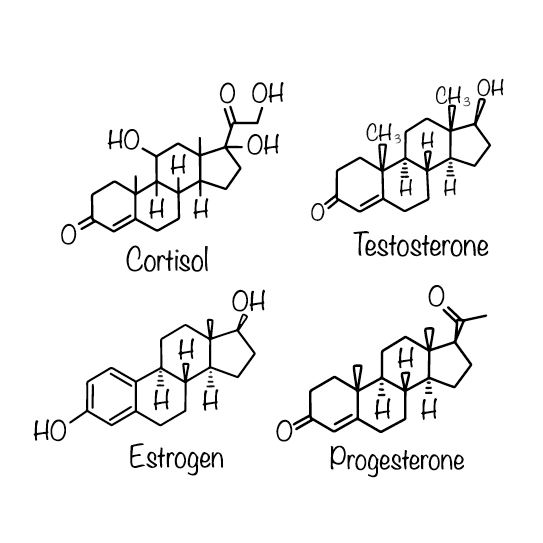
Oestrogen stimulates mast cells and upregulates histamine receptors. Progesterone does the opposite – it stabilises mast cells and supports histamine clearance. In perimenopause, oestrogen fluctuates and progesterone declines, removing a key regulatory brake on mast cell activity. This is partly why autoimmune conditions so often worsen at this stage.

Layer hot weather onto this, and two triggers converge. It is worth noting that 78% of autoimmune diagnoses are in women, the biology is not incidental.

What YOU can do

The answer is probably not more antihistamines, which block the receptor without addressing the underlying load. Worth considering instead:

  • DAO cofactors – vitamin B6, zinc, copper, and vitamin C are commonly insufficient in an inflammatory state and are required for DAO enzyme activity.
  • Quercetin and L-theanine – both have reasonable evidence as mast cell stabilisers.
  • Gut barrier support – addressing intestinal permeability reduces the histamine load entering circulation.
  • Lymphatic and kidney drainage – both contribute to histamine turnover; when either is sluggish, clearance slows.
  • Nervous system regulation – stress activates the HPA axis, which in turn activates mast cells. This is mechanistically relevant, not a secondary consideration.

These are directions, not a fixed approach. The specifics depend on individual patterns, history, and what else is happening in the body.

A simple place to start: a cold herbal infusion of nettle, dandelion, and parsley – a natural combination for mast cell stabilisation, mineral replenishment, and kidney drainage. I’ve shared how to make it in a reel on Instagram here.

A FINAL NOTE

If you would like to explore this in the context of your own health, a Functional DNA Consultation looks at how your individual biochemistry including histamine metabolism, detoxification pathways, and inflammatory regulation, may be contributing to your symptoms.

Share this article

Facebook
X
Copy Link

Continue exploring