
 World Kidney Day special: Supporting your kidneys with Omega-3s
 World Kidney Day special: Supporting your kidneys with Omega-3s
This year marks the 20th anniversary of World Kidney Day, and as a lifelong kidney patient, I want to share an often-overlooked yet powerful tool for supporting kidney function – Omega-3 fatty acids.
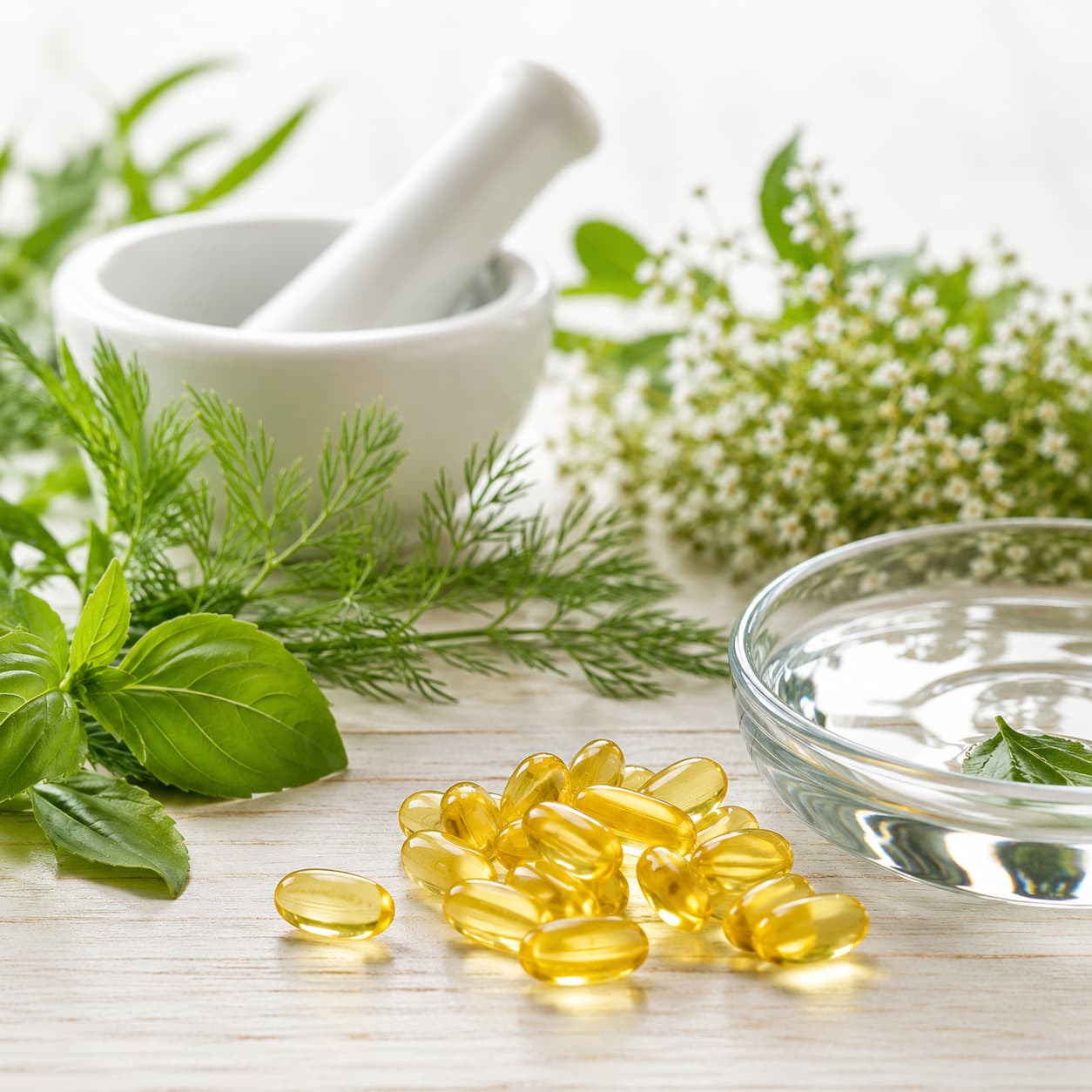
For optimal kidney health, aim to consume Omega-3s from both dietary sources and high-quality supplements.
Best food sources of Omega-3s
 Best food sources of Omega-3s
- Marine source: Fatty fish – sardines, anchovies, mackerel, salmon; algae oil
- Plant source: Chia seeds, flaxseeds, walnuts contain a precursor form called ALA, which the body can convert to EPA and DHA, though that conversion is limited and variable depending on individual biochemistry.
Omega-3 supplementation
- If your diet lacks Omega-3-rich foods, consider a high-quality fish oil or algae-based supplement with a balanced ratio of EPA & DHA is worth considering. What matters most is consistency and quality -the Omega-3 content of supplements varies considerably, and it is an area where the cheaper options often fall short.

Struggling to digest Gluten? A complete guide to Gluten Enzymes
How to be Gluten-Free without feeling deprived: a Functional Nutritionist’s guide
Going gluten-free...

FASTING for HEALING: Why Weekly Fasting Could Change Everything?
FASTING for HEALING:
Why Weekly Fasting Could Change Everything?
There’s a version of fasting that...

Have you ever DETOXED and felt WORSE? Your DNA might be why and your KIDNEYS are paying the price
How MTHFR and COMT genetic variants
sabotage your detox pathways, drive kidney stress, and why homeopathic...
Mushrooms, Coffee and the Hormonal Transitions of Perimenopause and Menopause
Mushrooms, Coffee and the Hormonal Transitions of Perimenopause and Menopause
Stop fighting your habits,...

RECURRENT UTIs after 40: is it KIDNEYS, PERIMENOPAUSE or emotional BOUNDARIES?
RECURRENT UTIs after 40:
is it KIDNEYS, PERIMENOPAUSE or emotional BOUNDARIES?
How Perimenopause, Kidney...

Histamine OVERLOAD & Seasonal ALLERGIES: What's Really Driving Your Symptoms?
Histamine Overload & Seasonal Allergies
Dreading Hay Fever Season?
It Could Be Histamine Overload...

Tired, Foggy, or Stuck? It Could Be Your Thyroid Talking!
Thyroid Symptoms: Is Your Thyroid Trying to Tell You Something?
From Hormones to Methylation:What your...
CHOLESTEROL vs OMEGA-3 INDEX
CHOLESTEROL vs OMEGA-3 INDEX
Holistic comparison of Cholesterol and Omega-3 Index as CVD Risk markers
When...
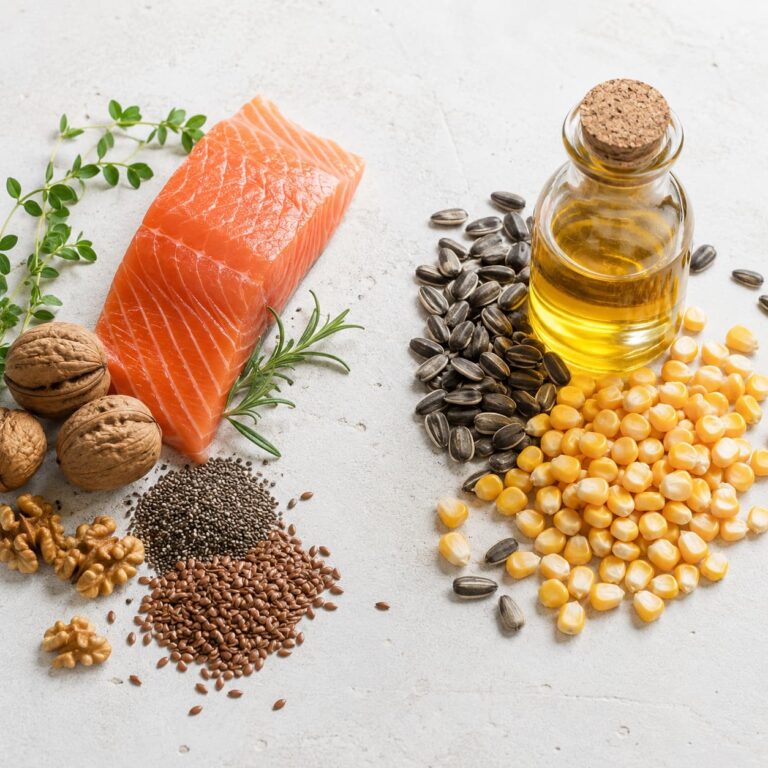
Omega 6:3 Harmony
Omega 6:3 ratio
How Balancing your Fats can transform your Health
Maintaining the right balance between...

Keep going and it will make sense when you get there
Keep going and it will make sense when you get there
Emotional Health & Functional Medicine: Healing...